Made to Order
On-Demand Printing
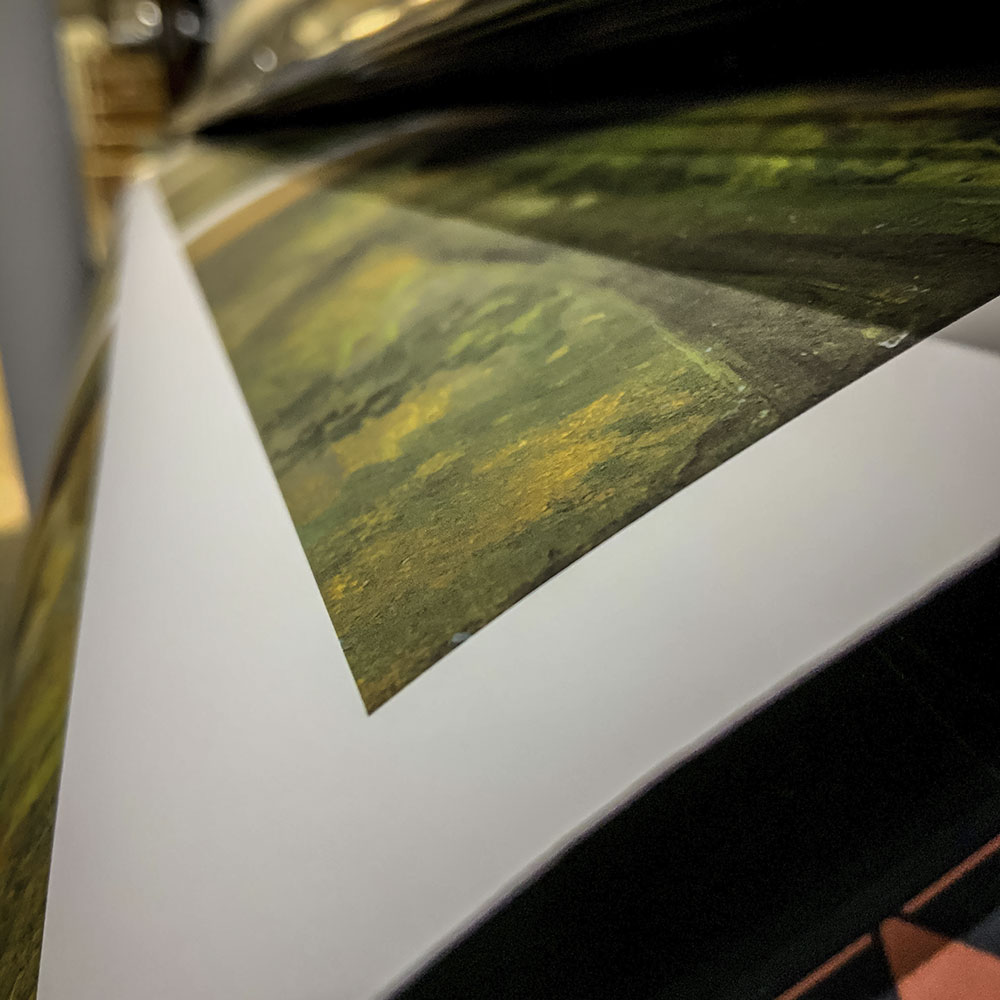
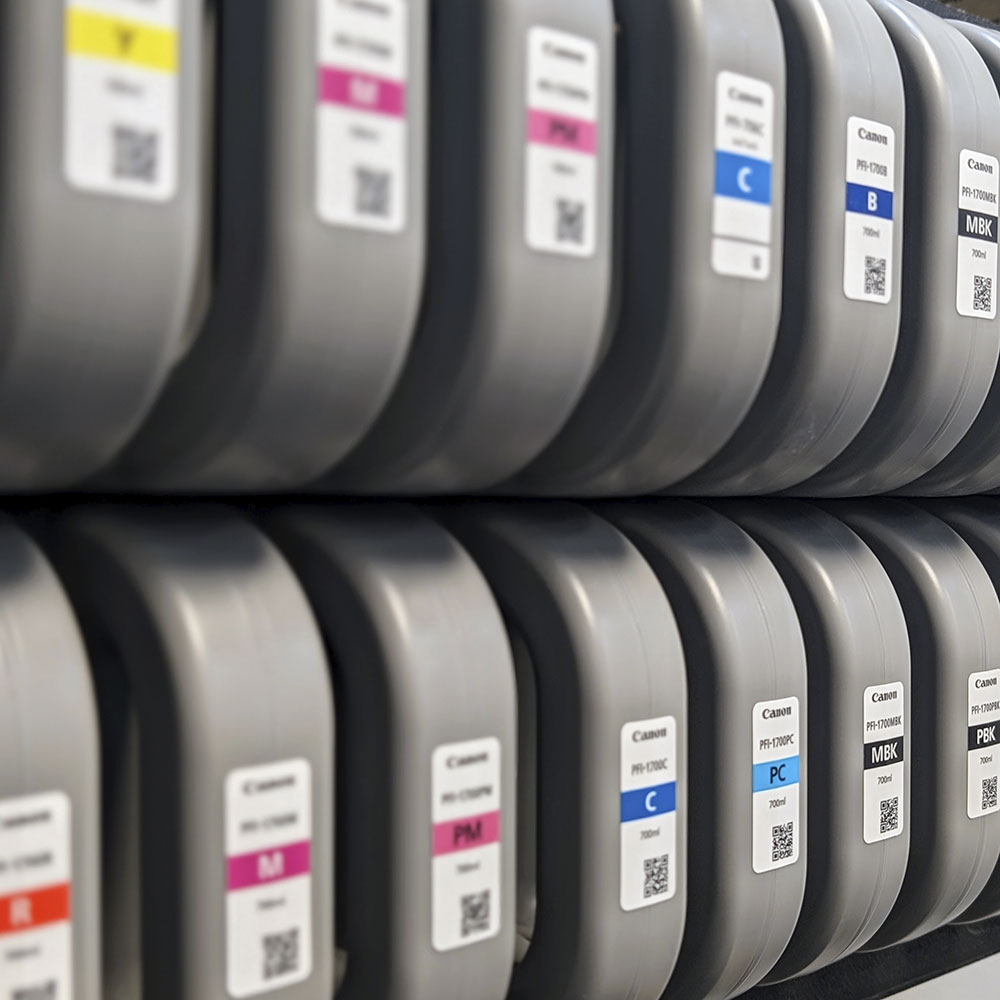
All products are produced on-demand, in accordance with stringent production protocols designed to ensure consistent and superior quality.

This is the largest, the last, and in many ways, the most ambitious work from Cézanne’s lifelong exploration of the time-honored theme of nudes in a landscape. It is also, perhaps, in its unfinished state, the purest and most serene witness to the man whom Paul Gauguin described as spending “entire days on mountaintops reading Virgil,” dreaming of wooded glades populated with beautiful figures who, if not exactly participants in a narrative as such, are full of animation and interaction. Perhaps it is its grand nobility—its authority as something beyond time, “like art in the museums,” as Cézanne said—that made it so attractive to many artists.
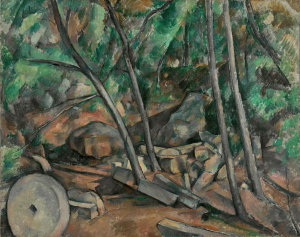
Paul Cézanne’s (French, 1839–1906) paintings took Impressionism into new territory, introducing ideas that contributed to the development of modern art. Whether depicting a cluster of fruit, a mountain, or his wife’s face, Cézanne relentlessly explored how color and light convey the substance and solidity of forms.
His distinctive painting technique—comprised of parallel brushstrokes that create blocks or squares of color—enabled him to articulate different facets of an object or landscape, and to construct images from patches of color. His experiments with space and perspective inspired younger artists—among them Henri Matisse and Pablo Picasso, who reportedly declared Cézanne “the father of us all.”
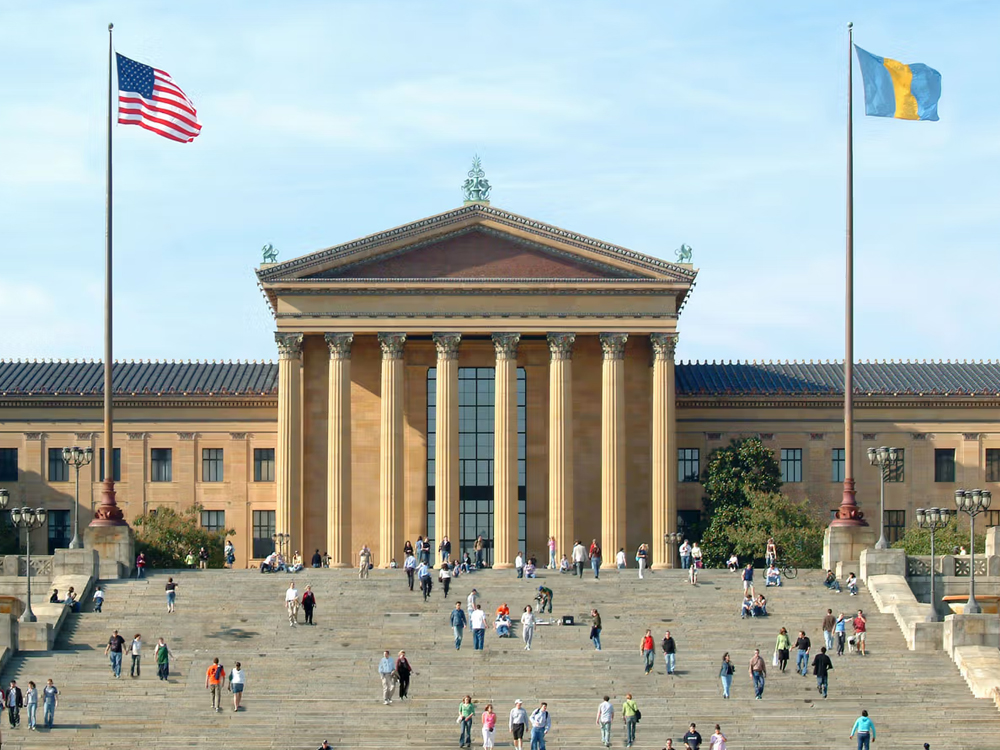
Source: Philadelphia Museum of Art