
Made to Order
On-Demand Printing
All products are produced on-demand, in accordance with stringent production protocols designed to ensure consistent and superior quality.

In December 1884, Alexander Cassatt and his son Robert paid a surprise visit to Paris to see Alexander’s parents and his sister, the painter Mary Cassatt. During the monthlong holiday, father and son sat for a tender double portrait that emphasizes their bond and physical resemblance. With similarly focused gazes, flushed cheeks, and black clothing that connects them in an embrace, parent and child are caught in a private moment.
Alexander Cassatt was a prominent American businessman who served as both first vice president and president of the Pennsylvania Railroad, then one of the largest corporations in the world. By presenting her brother at home, Mary set aside his better-known public persona to focus instead on a model of fathering in the late nineteenth century.
Mary Cassatt’s (American, 1844–1926) paintings, pastels, and prints demonstrate her personal philosophy that “women should be someone and not something.” In domestic scenes, Cassatt explores the lives and occupations of women, showing them as active and engaged figures. She depicts women reading, caregivers bathing children, and ladies enjoying tea, sealing a letter, or driving a carriage.
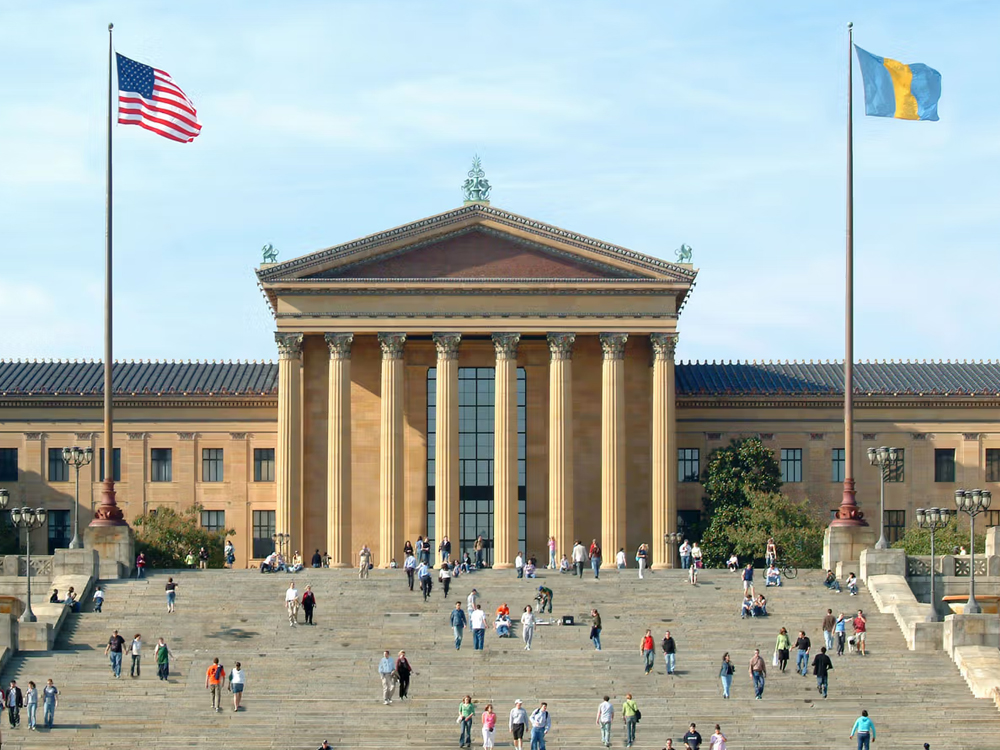
Born in Pennsylvania, Cassatt was the only American to join the French Impressionists. Although she spent most of her life abroad, her family’s connections to Philadelphia have made the museum, which holds eighty-three artworks and numerous letters by Cassatt, an important center for her work.
Source: Philadelphia Museum of Art