Made to Order
On-Demand Printing
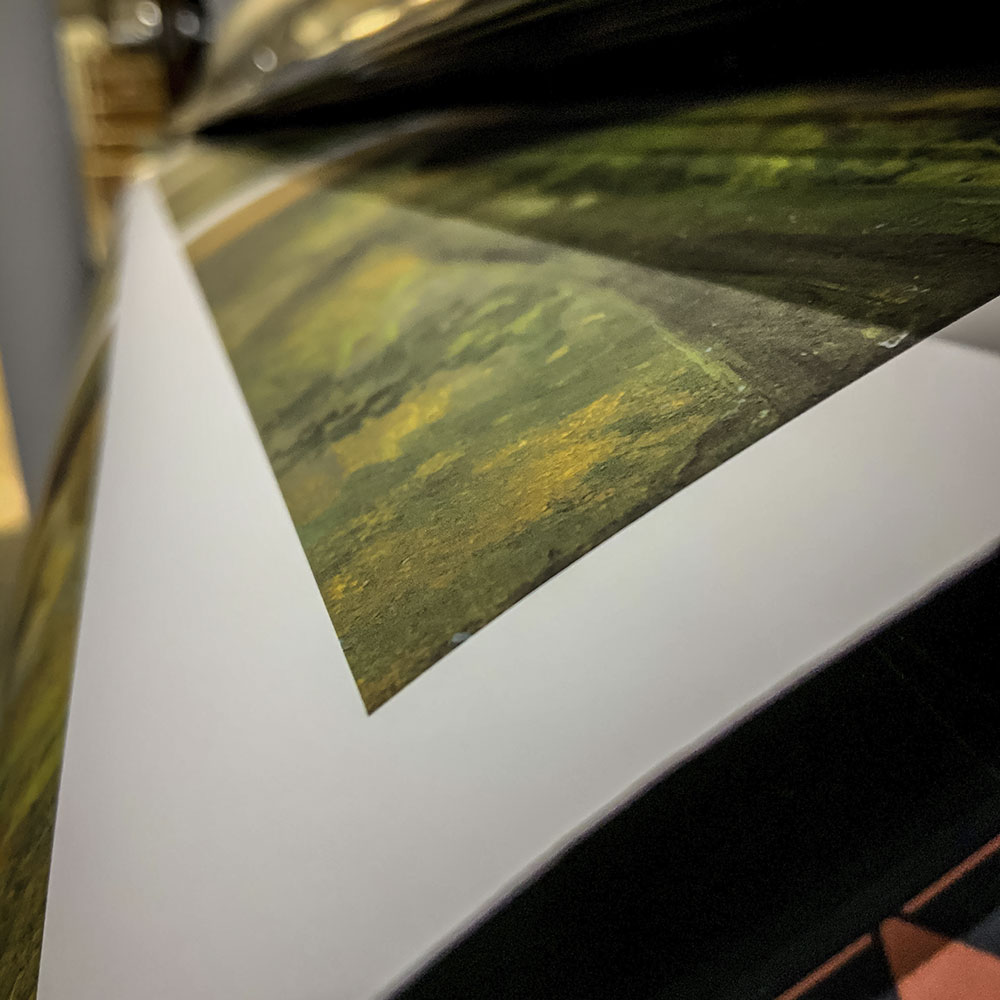
All products are produced on-demand, in accordance with stringent production protocols designed to ensure consistent and superior quality.

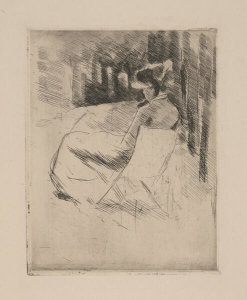
The Letter belongs to a set of ten color prints by Mary Cassatt depicting ordinary moments in the life of modern, upper-class women. Cassatt worked on this groundbreaking series from 1890 to 1891, inspired by a large exhibition of Japanese woodblock prints that she had seen while living in Paris. Cassatt’s familiar subject matter can sometimes eclipse the innovative achievements of her printmaking. In The Letter, the expert layering of delicate drypoint lines—especially the wispy hair and eyelashes—with the watercolor-like aquatint of blue and pink is a remarkable technical feat. Cassatt collaborated on the set with a young printer, M. Leroy, whom she credited in the handwritten inscription below the image. This acknowledgment was perhaps a nod to the labor of the project, or to the Japanese tradition of including both artist’s and printer’s signatures on a work.
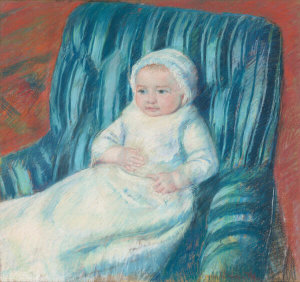
Mary Cassatt’s (American, 1844–1926) paintings, pastels, and prints demonstrate her personal philosophy that “women should be someone and not something.” In domestic scenes, Cassatt explores the lives and occupations of women, showing them as active and engaged figures. She depicts women reading, caregivers bathing children, and ladies enjoying tea, sealing a letter, or driving a carriage.
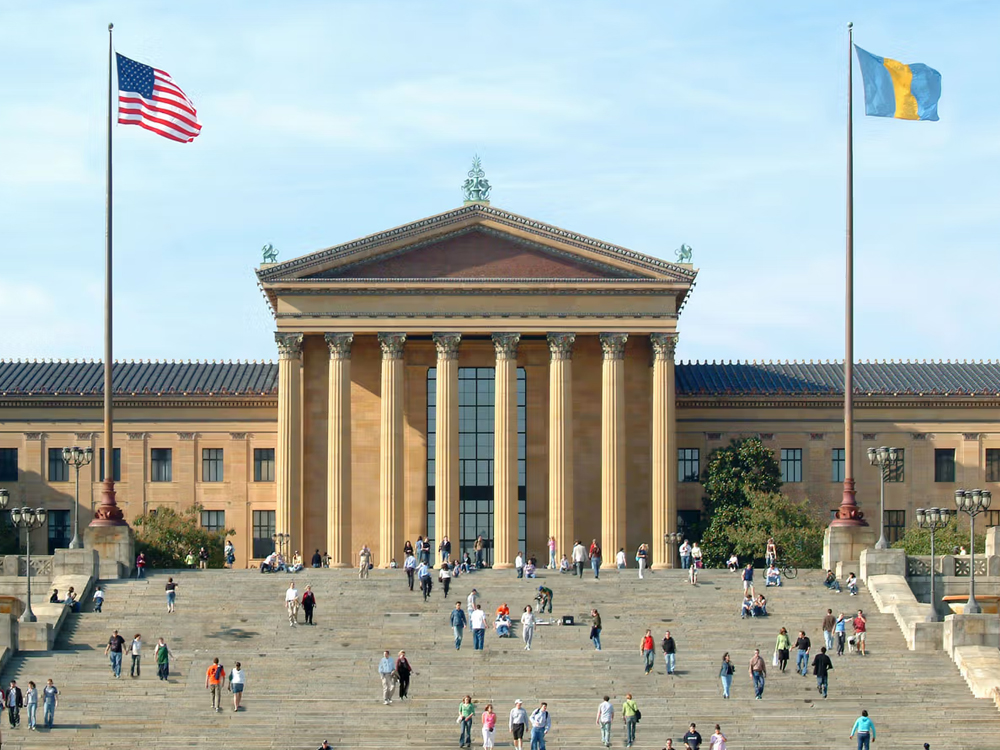
Born in Pennsylvania, Cassatt was the only American to join the French Impressionists. Although she spent most of her life abroad, her family’s connections to Philadelphia have made the museum, which holds eighty-three artworks and numerous letters by Cassatt, an important center for her work.
Source: Philadelphia Museum of Art