Made to Order
On-Demand Printing
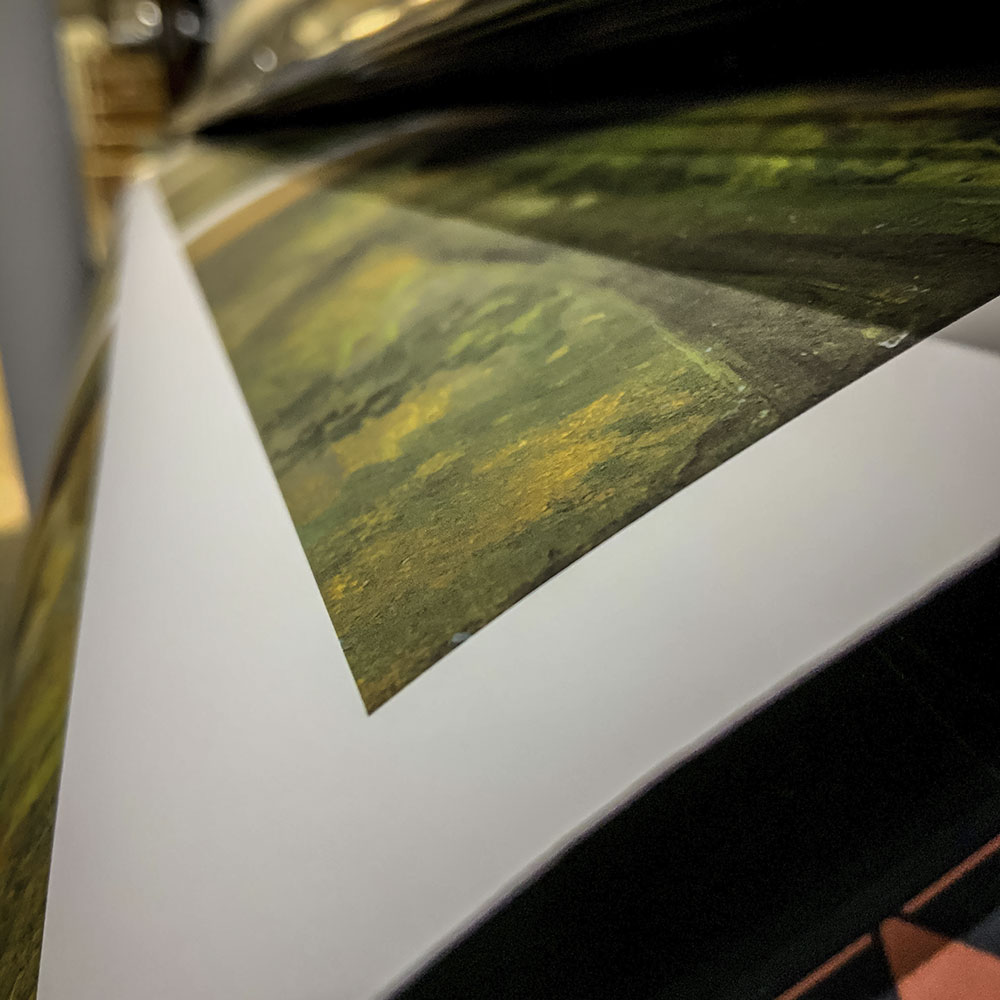
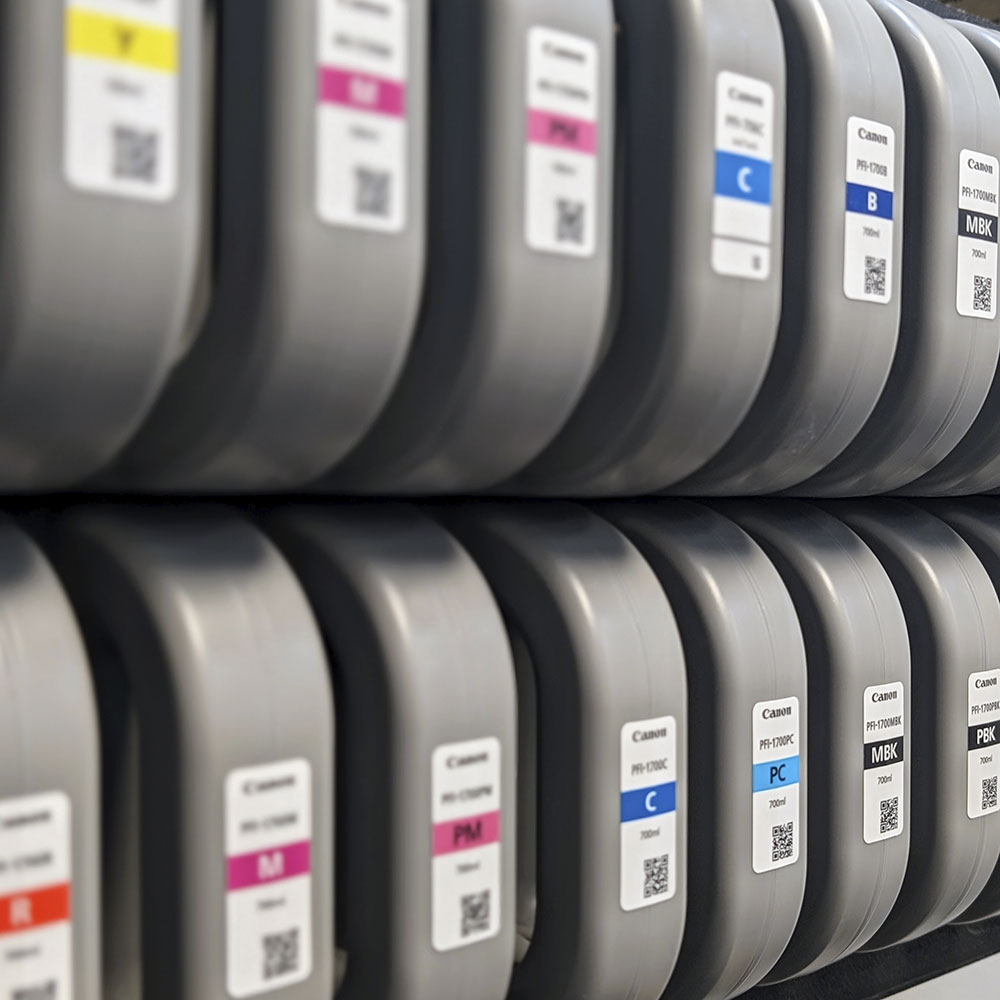
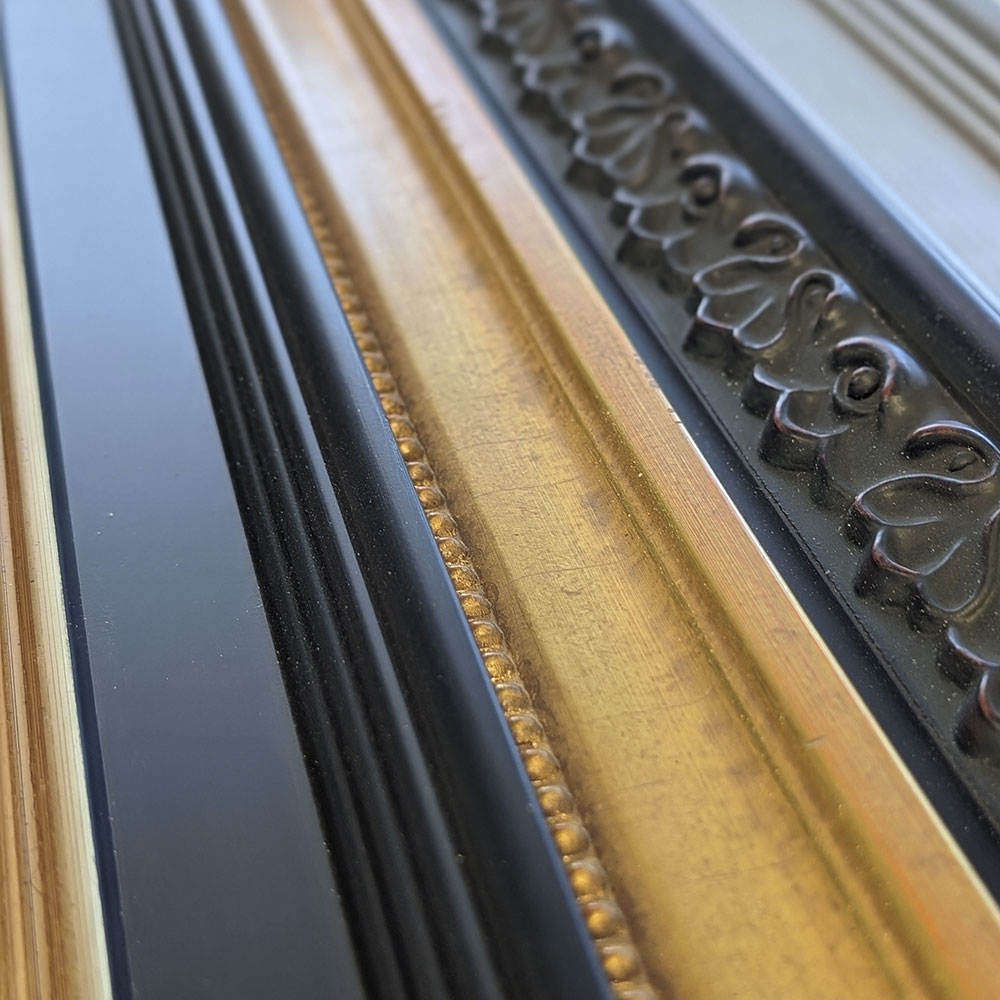
All products are produced on-demand, in accordance with stringent production protocols designed to ensure consistent and superior quality.

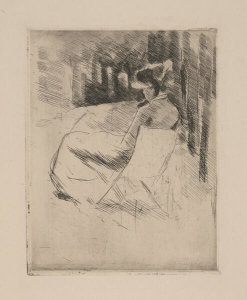
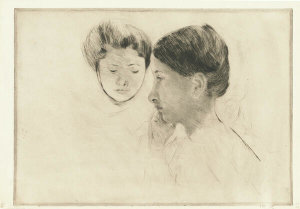
By the late 1880s Cassatt was using drypoint almost exclusively to make her prints. In choosing drypoint she was forced to hone her drawing skills, since the direct application of the sharp, pointed tool to scratch an image on a copper plate made corrections difficult. Cassatt's controlled use of drypoint lines, leaving portions of the background unworked, gives this print the pleasing appearance of an unfinished sketch.
Mary Cassatt’s (American, 1844–1926) paintings, pastels, and prints demonstrate her personal philosophy that “women should be someone and not something.” In domestic scenes, Cassatt explores the lives and occupations of women, showing them as active and engaged figures. She depicts women reading, caregivers bathing children, and ladies enjoying tea, sealing a letter, or driving a carriage.
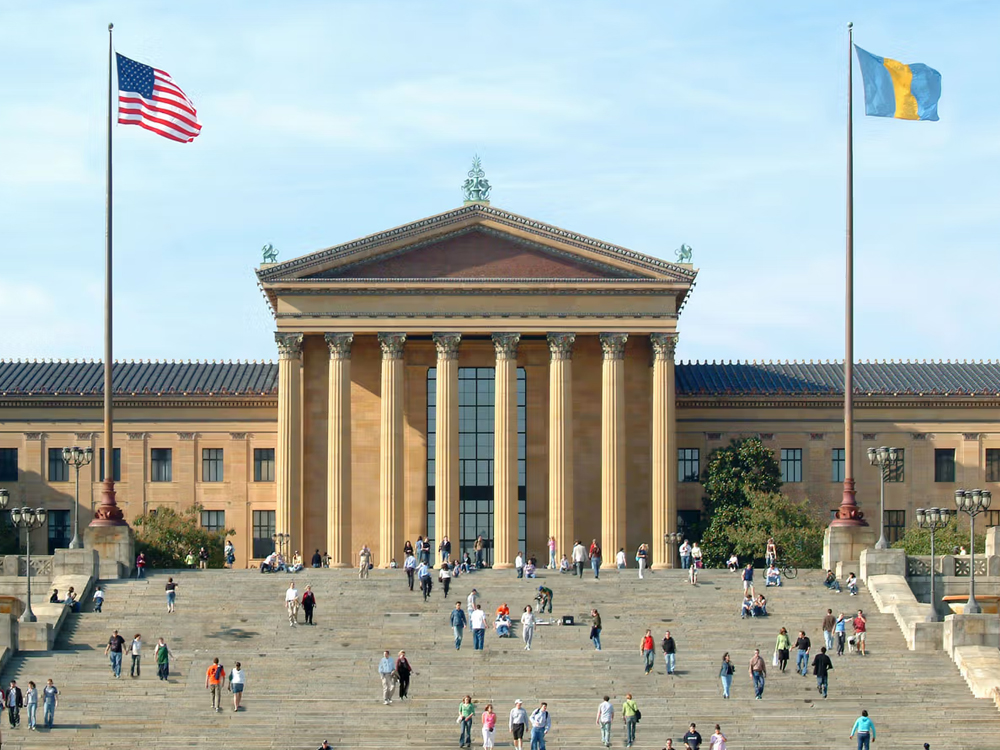
Born in Pennsylvania, Cassatt was the only American to join the French Impressionists. Although she spent most of her life abroad, her family’s connections to Philadelphia have made the museum, which holds eighty-three artworks and numerous letters by Cassatt, an important center for her work.
Source: Philadelphia Museum of Art